New Delhi, Jun 28: The United States carried out fresh military strikes on multiple targets in Iran after accusing Tehran of violating a ceasefire by attacking a second commercial oil tanker in the Strait of Hormuz, prompting Iran to retaliate with missile and drone attacks targeting US military infrastructure in Kuwait and Bahrain.
According to the BBC, the US Central Command (Centcom) said the strikes were launched after a one-way attack drone hit the Panama-flagged oil tanker MT Kiku on Saturday. Washington blamed Iranian forces for the attack, saying Tehran had failed to honour a ceasefire agreement reached earlier this month.
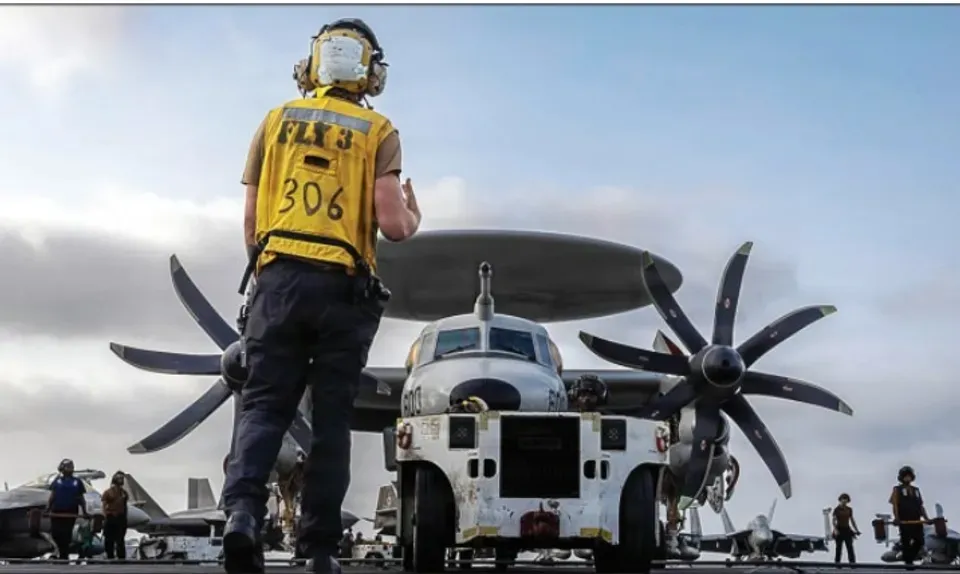
"Iran was given a chance to honour the ceasefire agreement but elected not to when its forces launched a one-way attack drone that hit MT Kiku," Centcom said in a statement. It added that US forces struck military equipment, air defence systems, communication infrastructure and drone storage facilities across Iran.
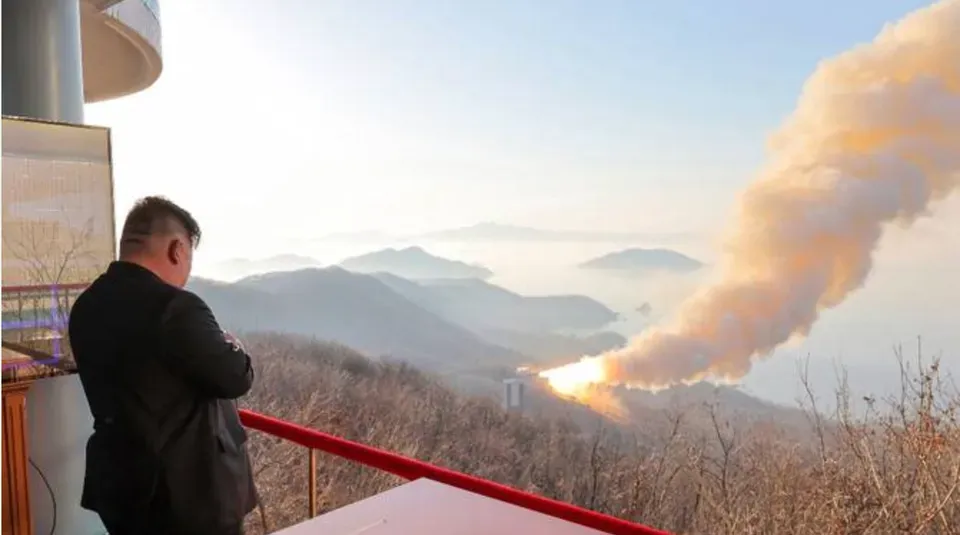
Iran's Islamic Revolutionary Guard Corps (IRGC), however, accused the United States of violating the ceasefire by attacking five Iranian coastal positions under the pretext of protecting commercial shipping. In response, the IRGC said it launched missiles and drones at US-linked military installations in Kuwait and Bahrain.
The IRGC warned that any violation of the ceasefire agreement would result in "a complete halt to the process" and vowed a "crushing response" to any future attacks. It also asserted that Iran has assumed responsibility for regulating navigation through the Strait of Hormuz under a recently signed memorandum and warned that vessels violating its rules would face tougher action.
Following the exchange of strikes, Kuwait and Bahrain activated their air defence systems. Kuwait's armed forces said they were intercepting "hostile missile and drone attacks", while Bahrain's Interior Ministry urged residents to remain calm and move to designated safe locations.
US President Donald Trump issued a sharp warning to Tehran after the latest strikes, saying on Truth Social that Iran "may never learn" and cautioning that Washington could be forced to "militarily complete the job" if hostilities continued.
The latest escalation comes less than 24 hours after US forces launched retaliatory strikes over what Washington described as an Iranian drone attack on the Singapore-flagged cargo vessel MV Ever Lovely on June 25. Iran has denied wrongdoing, saying the vessel was using an unauthorised route through the Gulf and that the US response itself breached the ceasefire, the BBC reported.
The United States and Iran signed a 14-point memorandum of understanding on June 17 aimed at ending hostilities and ensuring the safe passage of commercial vessels through the Strait of Hormuz for 60 days. However, both sides now accuse each other of violating the agreement.
The Strait of Hormuz remains one of the world's most critical maritime chokepoints, carrying a significant share of global oil and liquefied natural gas exports. The waterway was effectively shut following US and Israeli strikes on Iran earlier this year, triggering a surge in global energy prices and disrupting international shipping.
According to the BBC, in recent negotiations involving Iran, the United States had sought to restore toll-free commercial navigation through the strategic waterway. However, Iranian officials have since indicated that the management of the Strait "will never go back to the way it was before the war", signalling continued uncertainty over one of the world's busiest energy routes.